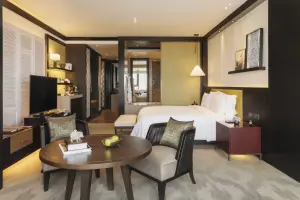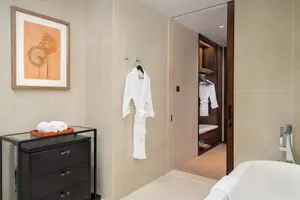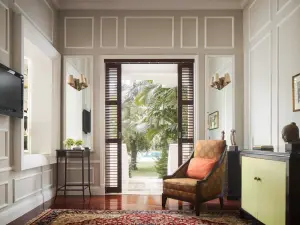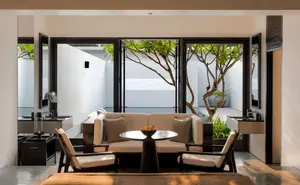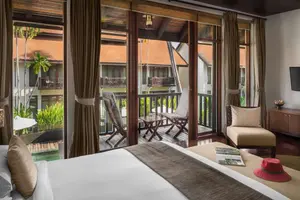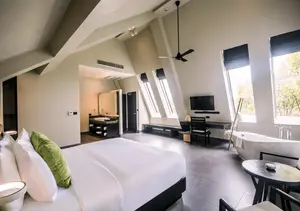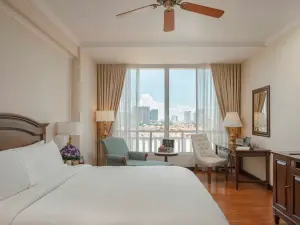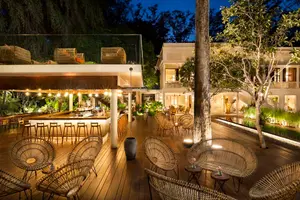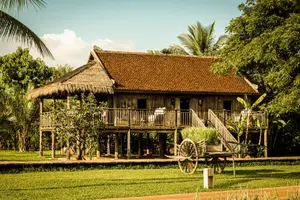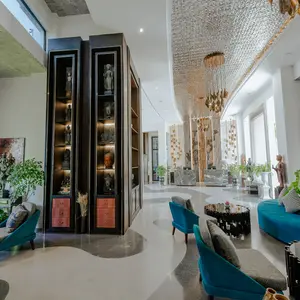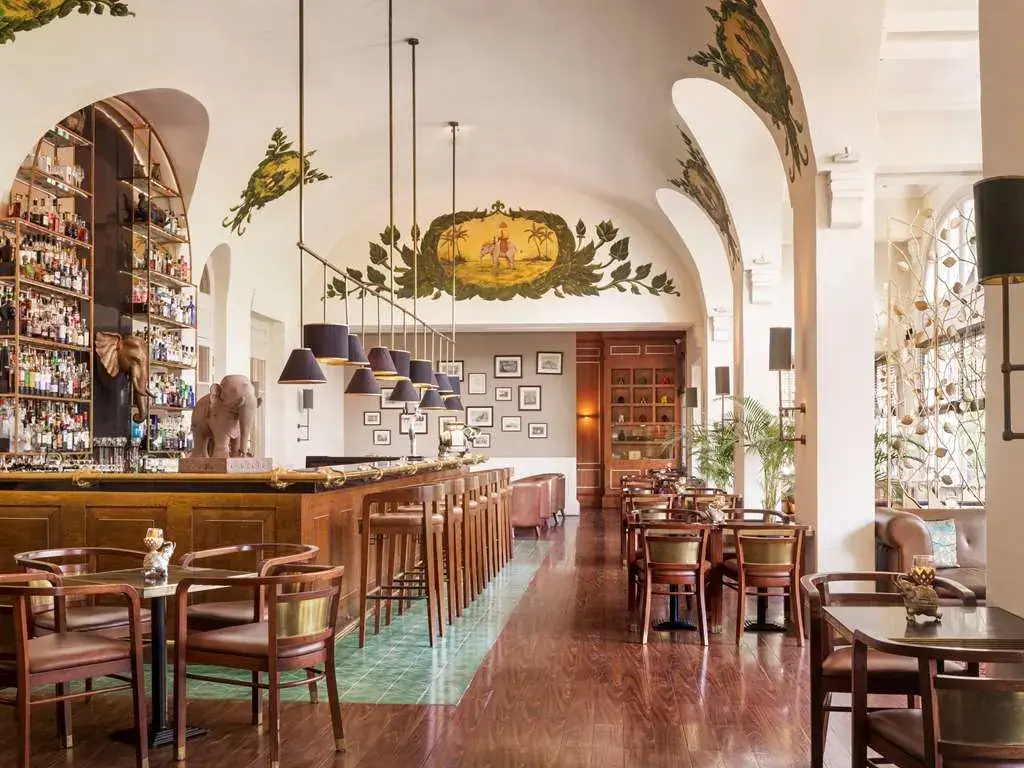
Raffles Hotel Le Royal
When you book Raffles Hotel Le Royal in Phnom Penh, Cambodia, through our Virtuoso partnership, your stay includes daily buffet breakfast for up to two guests. You continue earning ALL Accor points and elite night credits. No premium credit card or membership needed: request a quote and our advisor books it at the same rate as booking direct. Plus, for a limited time, a complimentary night is included with your stay.
Special Offer: 3rd night free
3rd night free
Exclusive Booking Perks
These perks are included with your stay at the same rate as booking direct with the hotel.
- Daily Buffet breakfast for up to two guests per bedroom, served in the restaurant
- $100 USD equivalent Hotel credit applicable towards Food & Beverage or Spa treatments, once per stay (applicable outlets to be confirmed on arrival; not combinable, not valid on room rate, no cash value if not redeemed in full)
- Stays of 4+ nights will receive an additional $100 Hotel credit (for a total of $200 during stay)
- Stays of 7+ nights will receive an additional $200 Hotel credit (for a total of $300 during stay)
- Early Check-In / Late Check-Out, subject to availability
Guest feedback
9.4/10 from 682 guest reviews
Read what guests commentedBy category
Guests liked
- Excellent service
- Beautiful location
- Spacious rooms
Points to consider
- Noise from building work
- Poor dining experience at fine dining restaurant
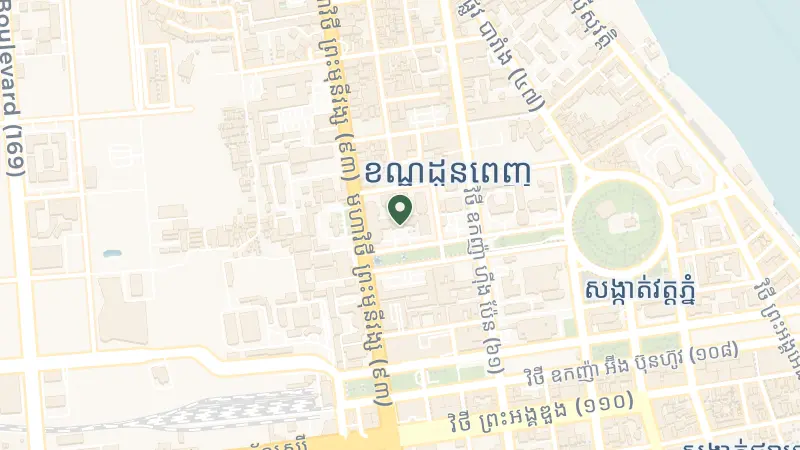
Location
Raffles has been setting the standard for grand heritage hospitality since 1887, and at every property, the same elements define the experience: butler service, a Writer's Bar where literary legends once gathered, and suites that speak to each building's storied past. The brand's philosophy of gracious hospitality transforms landmarks into living monuments, places where history and service converge with quiet authority.
Phnom Penh sits at the confluence of the Tonlé Sap and Mekong rivers, a city whose skyline reflects a complicated past. Founded in 1372 and re-established as Cambodia's capital in 1865, the city earned the nickname "Pearl of Asia" during its mid-century heyday, when French colonial façades, New Khmer silhouettes, and Art Deco lines gave it a distinctive architectural character. That elegance was nearly erased during the Khmer Rouge era, when the city was forcibly evacuated and left hollow. Reconstruction has been ongoing since 1979, and today the capital pulses with markets, street-side eateries, and a blend of old and new architecture that tells the story of survival and reinvention. Wat Phnom, the Buddhist temple from which the city takes its name, anchors the neighbourhood with quiet spiritual authority. The Royal Palace, seat of Cambodia's monarchy, anchors the riverfront just south of here.
KTI Techo International Airport lies 24 kilometres southwest of the city. Taxis and ride-hailing apps connect the airport to central Phnom Penh in under an hour, depending on traffic.
Markets form the pulse of daily life in Phnom Penh, and several are within easy reach. Phsar Chas, Phsar Dumex, and Phsar Ta Pang all lie less than a kilometre from the property, each offering produce, spices, textiles, and street food vendors grilling skewers over charcoal. The Phsar Reatrey Night Market opens after dark and fills with families browsing stalls for grilled fish, noodle soups, and sweets made with palm sugar and coconut. Book a late-afternoon walk to catch the riverside cooling down and the market stalls lighting up. Cambodia Winery, four kilometres away, offers tastings of wines made from local tropical fruit, an unexpected venture in a country better known for rice wine and Angkor beer.
The Cambodian Memorial Sites, a UNESCO inscription 62 kilometres from the city, preserve three locations that document the Khmer Rouge regime's violence from 1971 to 1979. These centres of repression have been transformed into places of reflection, essential to understanding Cambodia's recent history. Back in the city, the Royal Palace and Silver Pagoda tell an older story of monarchy and faith, their gilded spires visible from the riverfront promenade.
January through March brings the dry season, when mornings start warm and the afternoon heat builds toward the mid-thirties. Sidewalks fill early with motorcycles and market vendors, and the Mekong runs low and slow. This is the clearest, driest window for exploring the city on foot.
April marks the transition. Temperatures hold near 34°C, the air thickens, and storms arrive in the late afternoon. By May, the southwest monsoon settles in, bringing daily downpours that drench the streets and turn the rivers brown with silt. June through October is wet, humid, and green, the rain heaviest in September and October when the Tonlé Sap reverses course and floods the surrounding plains.
November and December dry out again. The cooler mornings and softer light make this the second-best window for travel, though crowds pick up as the high season approaches.
Frequently Asked Questions

Quotes are personally reviewed by Natasha Hardy, founder of The Uncommon Traveller
5.0 rating · 8 Google reviewsThere is no fee or markup. The hotel pays our commission.
Request a Quote