Sofitel Phnom Penh Phokeethra
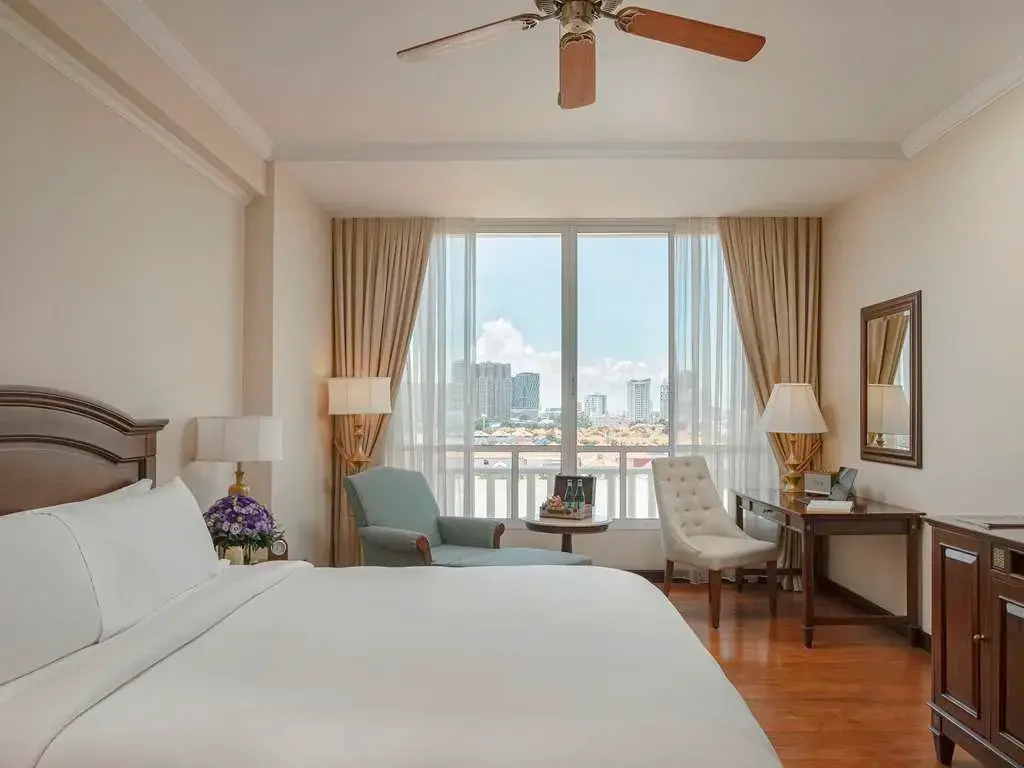
When you book Sofitel Phnom Penh Phokeethra in Cambodia through our Accor Hera partnership, your stay includes daily breakfast for two and a hotel credit of USD 100. You also receive a room upgrade, early check-in and late check-out when available. You continue earning ALL Accor points and elite night credits. No premium credit card or membership needed: request a quote and our advisor books it at the same rate as booking direct.
Exclusive Booking Perks
These perks are included with your stay at the same rate as booking direct with the hotel.
- Daily complimentary breakfast for 2, per room
- VIP Welcome
- USD 100 credit to be spent on property (conditions defined at check-in)
- Early check-in & late check-out (upon availability)
- Upgrade at time of check-in (upon availability)
Guest feedback
9.4/10 from 278 guest reviews
By category
Guests liked
- Exceptional staff
- Luxurious experience
Points to consider
- Breakfast may add more Khmer foods
Location
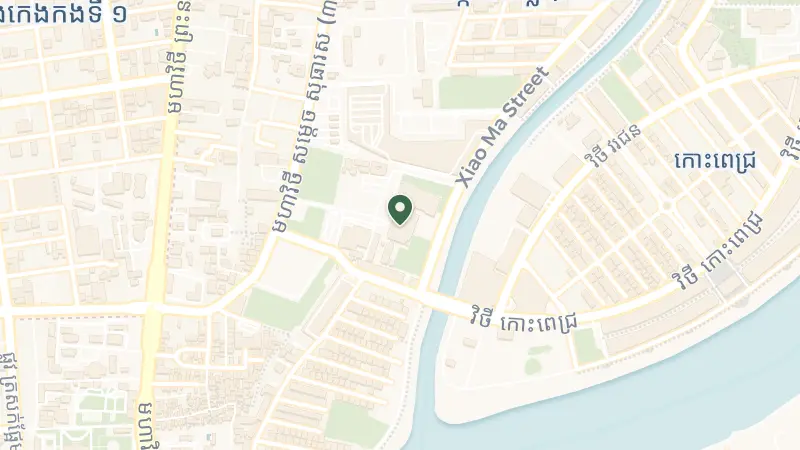
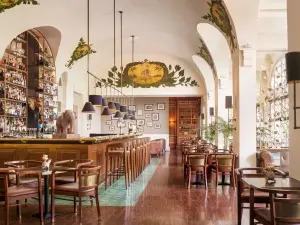
Sofitel brings French art de vivre to the Mekong basin, pairing Parisian elegance with Cambodian craftsmanship in a city that has reinvented itself repeatedly across six and a half centuries. Phnom Penh sits at the confluence of the Tonlé Sap and Mekong rivers, where the Bassac branches off in a Y-shaped junction the Khmer call Chaktomuk, the Four Arms. The property occupies Koh Pich, a hundred-hectare island estate that rose from former swampland in 2006 and now functions as a modern central business district, connected to the city by bridges over the Tonlé Bassac.
Across the water, the Royal Palace's spires mark the historic core where Lady Penh founded this settlement in 1372. The capital wears its layered past visibly: colonial French arcades, New Khmer civic monuments, and Art Deco shophouses earned it the nickname Pearl of Asia before the city's mid-century trauma and subsequent rebuilding.
Today the streets hum with motorbike traffic, incense smoke drifts from spirit houses at shop thresholds, and international investment has returned glass towers to the skyline. Koh Norea sits just across the river channel. KTI Techo International Airport lies twenty-one kilometres out, a straightforward drive through the city's expanding grid.
The island setting offers a pause from the urban density, but the city's markets pull you back into daily Khmer life. Phsar Toul Tom Poung, two kilometres southwest, sprawls across covered lanes where vendors sell everything from kampot pepper to silk kramas, the traditional scarves knotted at every Cambodian shoulder. Phsar Boeung Keng Kang sits less than a kilometre away for morning produce runs. The Royal Palace, with its Throne Hall and Silver Pagoda, anchors the riverfront district where cyclo drivers idle in the shade of frangipani trees. The National Museum's terracotta galleries house Angkorian sculpture, including a towering Vishnu and the Leper King's sandstone serenity.
For Phnom Penh's darkest chapter, the Tuol Sleng Genocide Museum occupies a former high school turned Khmer Rouge detention centre, its rooms left stark and unadorned, while the Choeung Ek Memorial sits further out. Start with morning bai sach chrouk, pork and rice, at a street stall near Wat Phnom, the hilltop temple that gave the city its name. Book a cyclo tour through the old French Quarter at golden hour when the light softens the stucco facades.
The monsoon governs everything. November through March brings the dry season, when temperatures hover in the low thirties and the Mekong runs low and brown. January mornings feel almost cool at twenty-two degrees, the air crisp enough for comfortable walking before the midday heat climbs. April marks the threshold: the hottest month, when the city slows and waits for relief.
The rains arrive in May and intensify through September, when afternoon downpours drum on tin roofs and turn unpaved lanes to red mud. The Tonlé Sap reverses its flow, a rare hydrological phenomenon that swells the river and brings the surrounding floodplains to life. October still sees heavy precipitation but the storms grow shorter, the air breathable again.
Visit between November and February for the driest, most temperate conditions, when festivals fill the riverside promenades and the city feels at ease with itself.
Frequently Asked Questions

Quotes are personally reviewed by Natasha Hardy, founder of The Uncommon Traveller
5.0 rating · 8 Google reviewsThere is no fee or markup. The hotel pays our commission.
Request a Quote