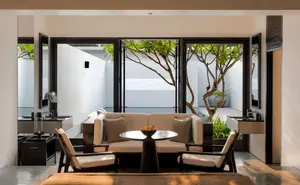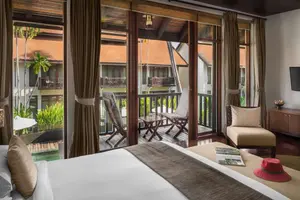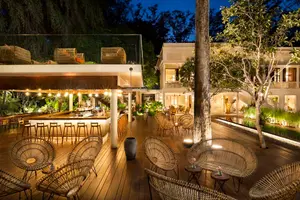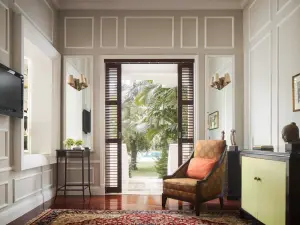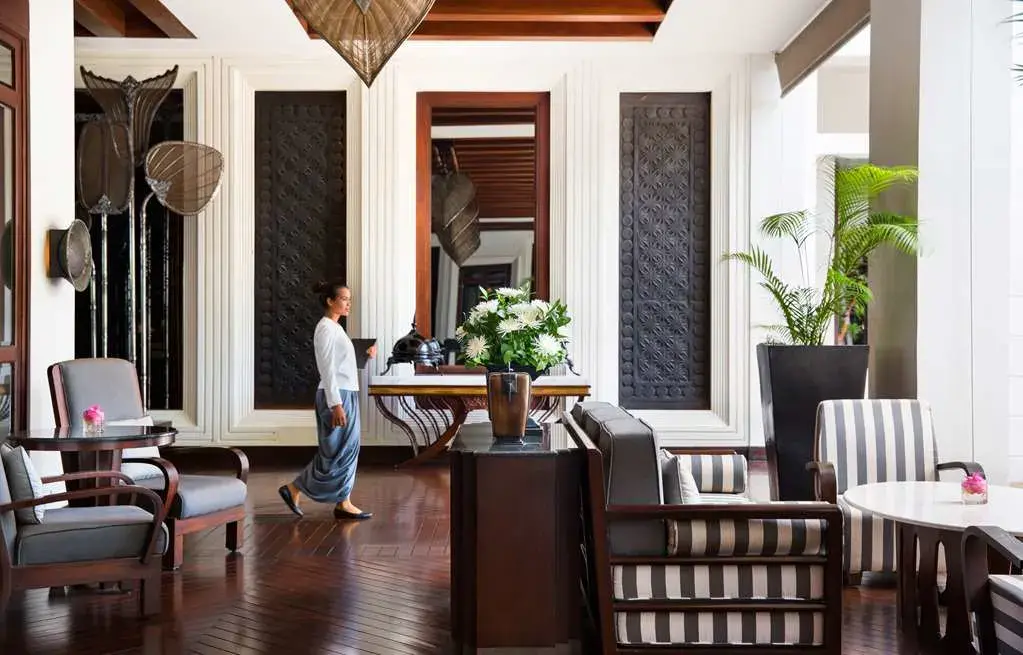
Park Hyatt Siem Reap
When you book Park Hyatt Siem Reap in Cambodia through our Hyatt Privé partnership, your stay includes daily full breakfast for up to two guests and a property credit. You also receive a priority room upgrade when available. You continue earning World of Hyatt points and elite night credits. No premium credit card or membership needed: request a quote and our advisor books it at the same rate as booking direct.
Exclusive Booking Perks
These perks are included with your stay at the same rate as booking direct with the hotel.
- Welcome amenity provided to guests upon arrival.
- Daily complimentary full breakfast at a hotel restaurant for up to two guests.
- Property credit (value varies by property).
- Priority for room upgrade (response within 24 hours of booking, subject to forecasted occupancy).
- Early check-in/late check-out/connecting rooms (response within 24 hours of request, subject to forecasted occupancy).
Guest feedback
9.6/10 from 419 guest reviews
Read what guests commentedBy category
Guests liked
- Exceptional Service
- Clean and well-maintained
Location
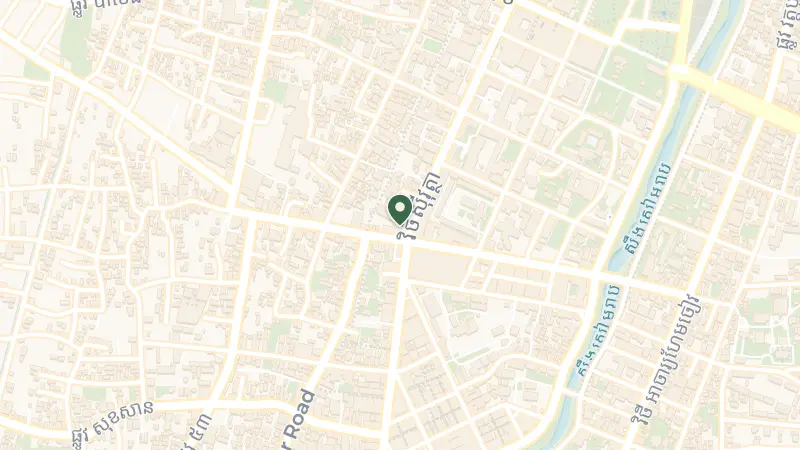
Park Hyatt properties prize intimate scale and residential warmth over grand gestures, and that philosophy suits Siem Reap, where the city's character rewards close attention. The property sits in northwestern Cambodia's cultural capital, a gateway to one of the world's most significant archaeological landscapes. French-colonial shophouses and Chinese-style facades line the Old French Quarter, evidence of layered history that predates the Khmer Empire's ninth-century foundations.
Siem Reap is compact enough that the Old Market and its sprawl of silk stalls and carved-wood workshops lie within easy walking distance, while the Angkor Night Market hums just a few hundred metres away. The cosmopolitan drinking and dining scene clusters near Pub Street, but the city never loses its small-town cadence: rice paddies stretch into the countryside minutes from the centre, and traditional Apsara dance performances still draw locals alongside visitors.
Tonlé Sap's fishing villages and bird sanctuary offer counterpoint to temple days. Siem Reap-Angkor International Airport sits 40 kilometres from the city, a straightforward drive through flat agricultural plains.
The temple complex of Angkor, nine kilometres from the property, demands multiple visits. Start with Ta Prohm, where silk-cotton trees strangle sandstone galleries in an arrested collapse that feels theatrical but is entirely real. Banteay Srei, carved in 967 from rose-pink sandstone, rewards the drive for its intricate apsara figures, small enough to study every detail. Phnom Bakheng's tiered pyramid offers sunset views over the forest canopy, though crowds gather early. Pre Rup and East Mebon show laterite construction techniques and lingam symbolism central to Khmer cosmology. Preah Khan's labyrinth of corridors and rootbound courtyards offers rare solitude. Book a morning departure to beat the heat and the tour-group waves.
Back in the city, Phsar Gne and surrounding markets sell kampot pepper, krama scarves, and fish amok paste. The Nature Discovery Center of Cambodia, less than two kilometres away, documents the region's biodiversity through conservation programmes. Angkor Golf Resort lies four kilometres south for those seeking manicured fairways between temple days.
November through February offers the most forgiving conditions, with temperatures hovering around 30°C and minimal rainfall. The light is sharp in early morning, softening by midday into a haze that flatters sandstone. March and April turn punishingly hot, the air thick and still before the monsoon breaks in May.
Wet season lasts through October, when September sees the heaviest downpours and the moats around Angkor temples fill to their original waterlines. The temples empty of crowds, moss greens the bas-reliefs, and the countryside flushes vivid.
January and February remain the driest months, ideal for long days among the ruins, though the city's rhythm slows in the midday heat regardless of season.
Frequently Asked Questions

Quotes are personally reviewed by Natasha Hardy, founder of The Uncommon Traveller
5.0 rating · 8 Google reviewsThere is no fee or markup. The hotel pays our commission.
Request a Quote