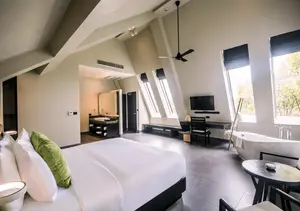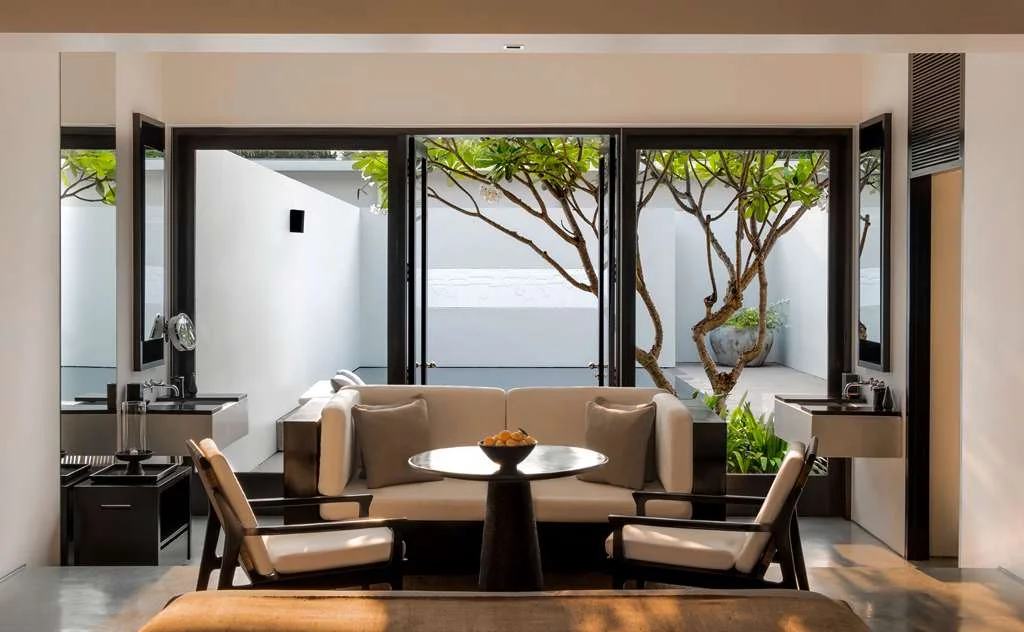
Amansara
When you book Amansara in Siem Reap, Cambodia, through our Virtuoso partnership, your stay includes daily breakfast for up to two guests and a $100 USD resort or hotel credit. You also receive a room upgrade, early check-in and late check-out when available. No premium credit card or membership needed: request a quote and our advisor books it at the same rate as booking direct.
Exclusive Booking Perks
These perks are included with your stay at the same rate as booking direct with the hotel.
- Upgrade on arrival, subject to availability
- Daily breakfast for up to two guests per bedroom, served in the restaurant and via in-room dining (already included in property rates)
- $100 USD equivalent Resort or Hotel credit to be utilized during stay (not combinable, not valid on room rate, no cash value if not redeemed in full)
- Early Check-In / Late Check-Out, subject to availability
Location
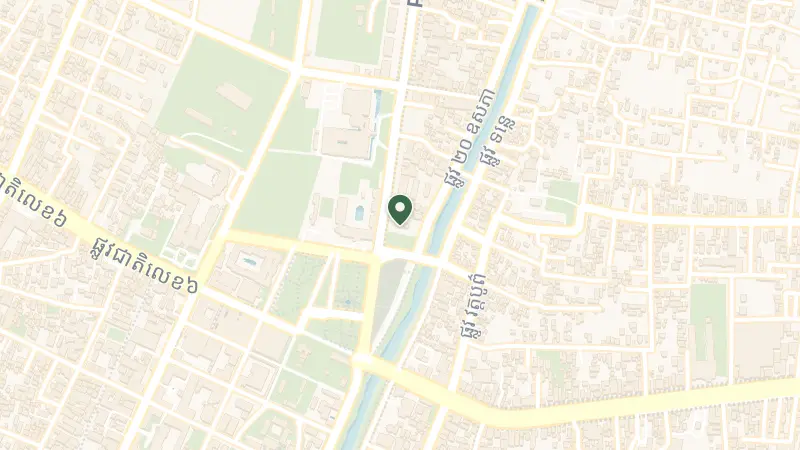
Aman's first foray into Cambodia channels the spirit of modernist restraint and cultural immersion that defines the brand, a fitting threshold to one of Southeast Asia's most profound archaeological landscapes. Siem Reap itself hums with a peculiar energy: cyclo drivers weave through streets lined with French-shuttered shophouses, silk merchants spread bolts of ikat beneath tamarind trees, and the scent of lemongrass and wood smoke drifts from riverside kitchens. The Old French Quarter retains its colonial porticos and Chinese-style balconies, while the Old Market thrums with vendors selling everything from lotus root to hand-hammered silverware.
This is Cambodia's gateway to Angkor, a sprawling archaeological park inscribed as a UNESCO World Heritage Site in 1992. The temples rise eight kilometres from the city, their sandstone towers glimpsed through morning haze, remnants of the Khmer Empire that once commanded much of mainland Southeast Asia. Phnom Bakheng, consecrated in 900, and the intricately carved Banteay Srei from 967 anchor a constellation of sites extending across four hundred square kilometres of forest and ruin.
Siem Reap-Angkor International Airport lies thirty-nine kilometres to the southeast, a drive that traces the transition from rice paddies to urban sprawl. The city itself, named ASEAN City of Culture for 2021–2022, balances its role as a global pilgrimage site with the everyday rhythms of a Cambodian provincial capital.
The temples command most waking hours here. Ta Prohm, where strangler figs have braided themselves into doorframes, offers the eerie beauty of nature reclaiming stone. Pre Rup and East Mebon reward early risers with dawn light spilling across laterite platforms, while Preah Khan's labyrinthine galleries muffle footsteps and amplify the thrill of discovery. Banteay Srei, twenty-five kilometres northeast, is carved in miniature: pink sandstone friezes depicting apsaras and mythological battles with a jeweller's precision. Book a private sunrise tour of Angkor Wat to beat the crowds, or venture to Beng Mealea for an overgrown ruin that feels genuinely untouched.
Back in town, the Angkor Night Market offers silk scarves and carved Buddhas under fairy lights, while Phsar Leu Thom Thmei Market two kilometres north trades in morning-fresh mangosteen and rambutan. For a shift in perspective, the Nature Discovery Center seventeen hundred metres out introduces Cambodia's endemic birdlife and wetland ecosystems. Tasting amok trey, the country's signature steamed fish curry wrapped in banana leaf, becomes essential context for understanding Khmer culinary heritage; seek it at any of the traditional wooden houses along the Siem Reap River.
November through February delivers the dry season's best: daytime temperatures hover near thirty degrees, nights cool to the low twenties, and the countryside turns golden after the rains. The light is crystalline, ideal for temple photography and long days navigating archaeological sites without the oppressive weight of monsoon humidity.
March and April push temperatures higher, the air thickening as the land awaits the rains. By May, afternoon downpours arrive with theatrical intensity, transforming moats around Angkor into mirrors and turning dusty laterite roads to rust-coloured streams. The monsoon peaks in September and October, when the temples glisten under grey skies and tourist numbers thin.
December and January offer the sharpest, driest weather, though mornings can start surprisingly cool. This is high season for good reason: the paddies are emerald, the skies reliably blue, and temple-hopping feels like privilege rather than endurance test.
Frequently Asked Questions

Quotes are personally reviewed by Natasha Hardy, founder of The Uncommon Traveller
5.0 rating · 8 Google reviewsThere is no fee or markup. The hotel pays our commission.
Request a Quote