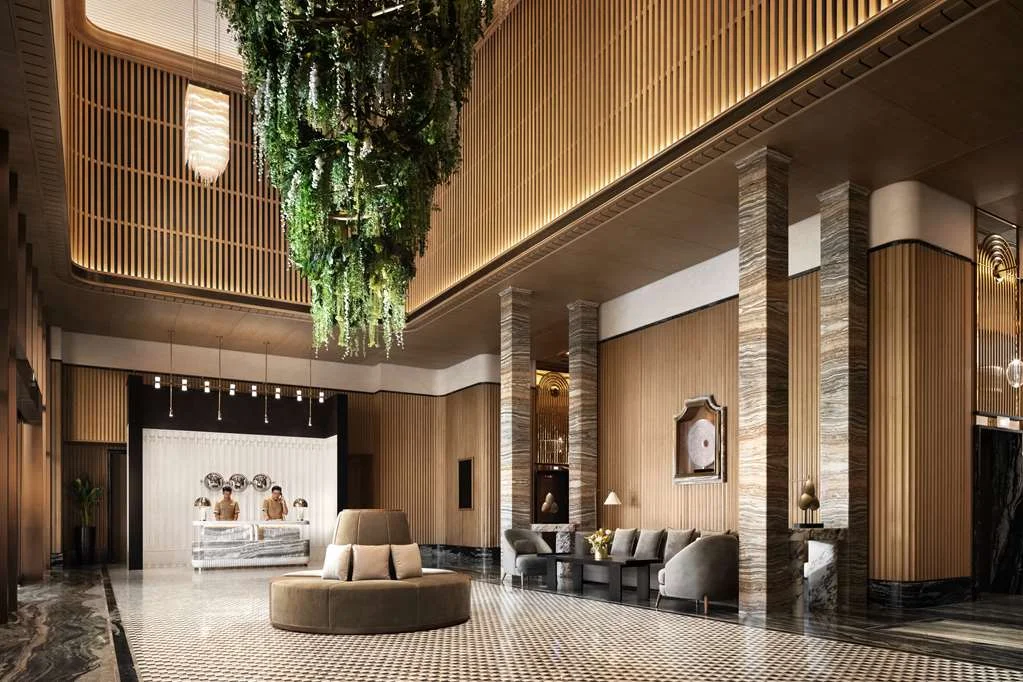
Shangri-La Phnom Penh
When you book Shangri-La Phnom Penh in Cambodia through our Shangri-La Luxury Circle partnership, your stay includes full breakfast for two and a hotel credit of USD $50 or $100 once per stay. You also receive a one-category room upgrade, early check-in and late check-out when available. No premium credit card or membership needed: request a quote and our advisor books it at the same rate as booking direct.
Exclusive Booking Perks
These perks are included with your stay at the same rate as booking direct with the hotel.
- Upgrade to the next room type category at the time of booking, subject to availability
- Hotel credit of USD $50 or $100 (once per stay)
- Complimentary full breakfast for two, including in-room dining
- A VIP Welcome Amenity
- Early check-in and late check-out, subject to availability
Location
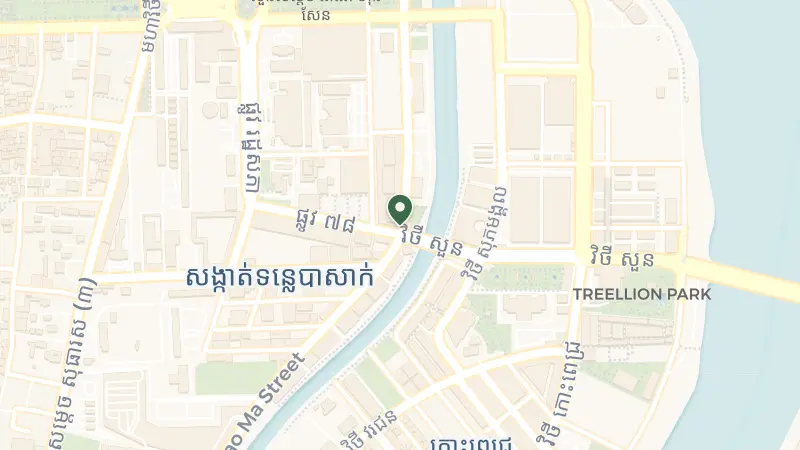
Shangri-La brings its signature Asian hospitality to the Cambodian capital, blending the brand's wellness-focused ethos with the city's layered historical identity. The property sits on Koh Pich, Diamond Island, a 100-hectare mixed-use district on the Tonlé Bassac River near Chaktomuk, where the Mekong and Tonlé Sap rivers converge. What was swampland until 2006 is now a modern business and residential quarter, set apart from the colonial grid of central Phnom Penh yet close enough to feel the pulse of the city.
Across the water, the capital unfolds in tiers of history. Founded in 1372 and reborn as the "Pearl of Asia" during French rule, Phnom Penh still carries traces of its mid-century cosmopolitan heyday alongside the scars of the Khmer Rouge era. The Royal Palace anchors the riverfront, its gilded spires visible from many vantage points. Markets hum with vendors selling spices, silk, and fresh produce, while tuk-tuks weave through wide boulevards lined with frangipani trees.
KTI Techo International Airport lies 21 kilometres out, a straightforward drive through the city's expanding periphery. The streets are thick with motorbikes, the air heavy with humidity and the smell of grilled fish and incense.
Phnom Penh's food scene is rooted in Khmer tradition rather than Michelin accolades, and the city's draw lies in its markets and street-level energy. Phsar Kapko sits less than a kilometre from the property, a neighbourhood market where vendors sell everything from kampot pepper to prahok, the fermented fish paste central to Khmer cooking. Further afield, Phsar Kandal offers a deeper dive into the city's culinary rhythm, two kilometres towards the riverfront. Book a table at one of the riverside cafés along Sisowath Quay for amok trey, fish steamed in coconut curry and wrapped in banana leaves. The Khmer StrEAT Night Market, two kilometres from the hotel, gathers food stalls and live music after dark, a low-key alternative to the tourist-heavy riverside strip.
The Royal Palace and Silver Pagoda sit four kilometres northwest, their Khmer and French colonial architecture a testament to the capital's dynastic continuity. Wat Phnom, the hilltop temple that gave the city its name, rises from a leafy park in the old quarter. For those seeking to reckon with Cambodia's recent past, the Cambodian Memorial Sites, inscribed as a UNESCO World Heritage site in 2025, lie 65 kilometres from the capital and include former centres of repression transformed into places of reflection and memory.
The dry season from November to March offers the most comfortable conditions, with mornings cool enough to walk along the riverfront and afternoons that rarely push past 32 degrees. January and February are the driest months, the sky a flat blue, the Mekong low and slow-moving. Dust rises from unpaved side streets, and the light is sharp and unforgiving by midday.
The monsoon arrives in May and doesn't fully let up until October, bringing daily downpours that flood low-lying streets and turn the city temporarily amphibious. September sees the heaviest rains, the rivers swollen and muddy. The air is thick, the heat unrelenting even after dark.
Between seasons, April marks the Khmer New Year, when the city empties as residents return to their provinces. The heat peaks, the humidity climbs, and the sky turns hazy before the first rains break.
Frequently Asked Questions

Quotes are personally reviewed by Natasha Hardy, founder of The Uncommon Traveller
5.0 rating · 8 Google reviewsThere is no fee or markup. The hotel pays our commission.
Request a Quote