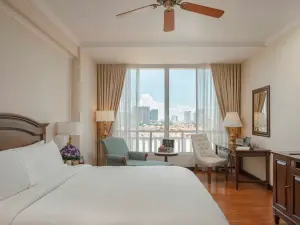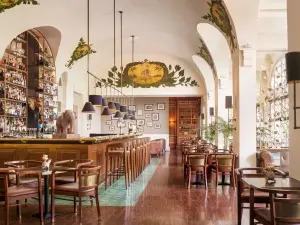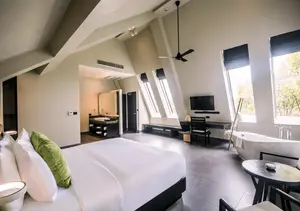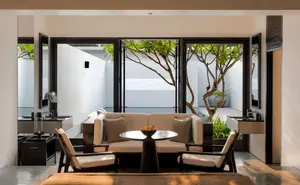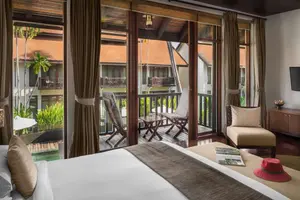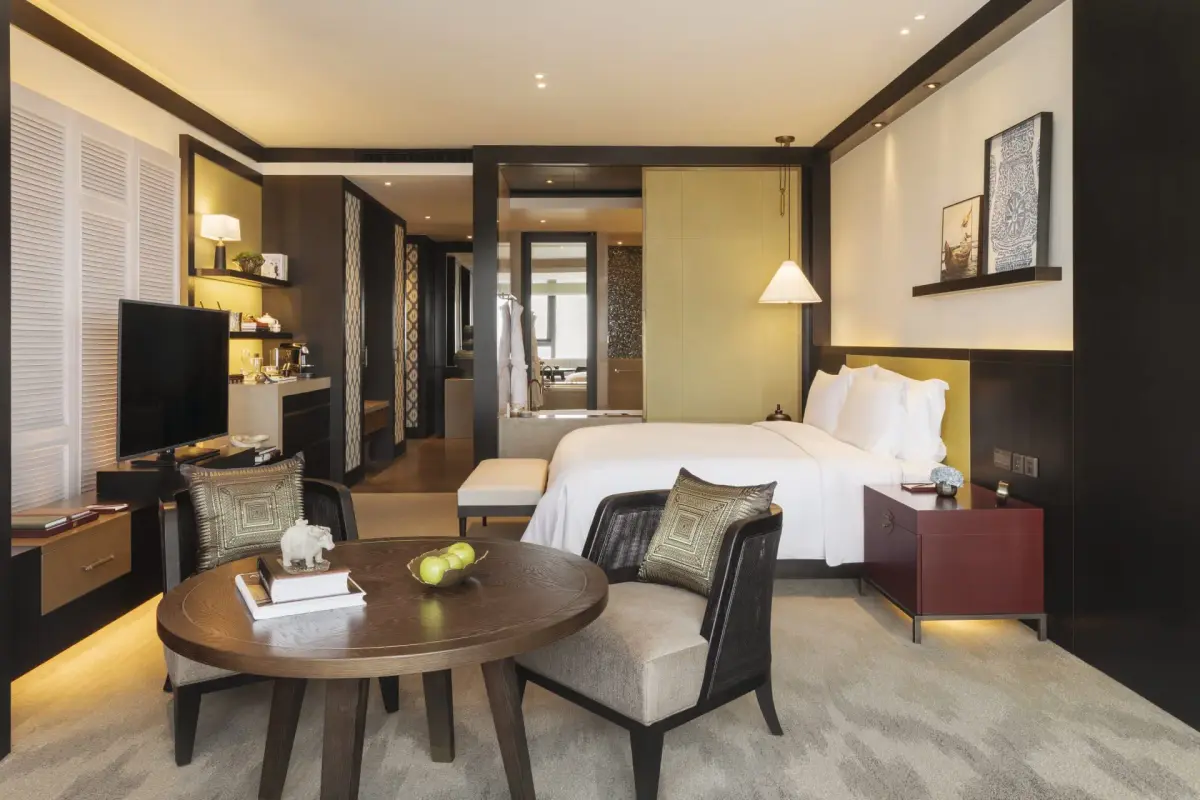
Rosewood Phnom Penh
When you book Rosewood Phnom Penh in Cambodia through our Rosewood Elite partnership, your stay includes daily breakfast for up to two guests and a hotel credit of USD 100. You also receive a one-category room upgrade when available. No premium credit card or membership needed: request a quote and our advisor books it at the same rate as booking direct.
Exclusive Booking Perks
These perks are included with your stay at the same rate as booking direct with the hotel.
- USD 100 hotel credit
- Daily breakfast for up to two people per bedroom
- Complimentary one-category upgrade at booking or upon arrival (varies by hotel)
- Amenity from property's Managing Director
- Personalized welcome
- Pre-registration prior to arrival
Guest feedback
Based on 107 guest reviews
Read what guests commentedBy category
Guests liked
- Outstanding service
- Luxurious accommodations
- Stunning amenities
Location
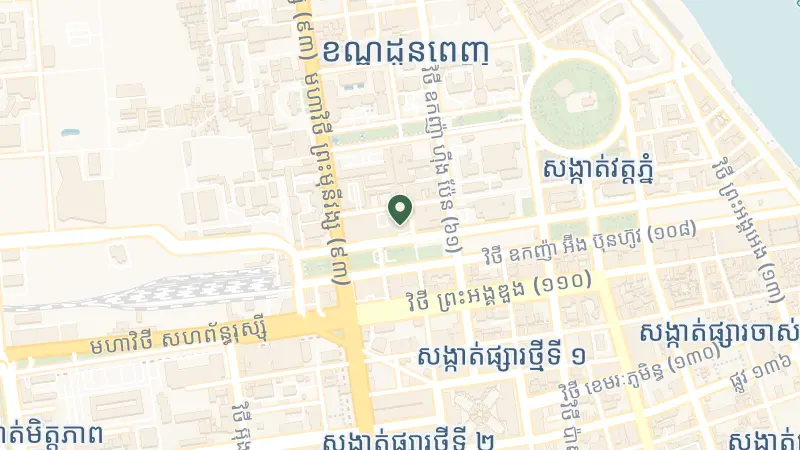
Rosewood properties are built to be cultural anchors, drawing on local heritage to shape their architecture, art, and cuisine. This translates to interiors informed by Cambodian craft traditions and Asaya wellness programmes rooted in the region's restorative practices. The approach is residential rather than theatrical, with suites designed for extended stays and a restrained sensibility that lets the city speak for itself.
Phnom Penh unfolds at the confluence of the Tonlé Sap and Mekong, where the rivers meet and the Bassac begins its southward run. The capital since 1865, the city carries a layered history: founded in 1372, briefly eclipsed by Angkor Thom, then restored as the seat of power during French colonial rule. That era left behind a legacy of pastel stucco and shuttered balconies, earning Phnom Penh the nickname "Pearl of Asia" in the mid-20th century. The Royal Palace still stands as the seat of Cambodia's monarchy, its gilded spires visible from the riverside promenades where the scent of grilled fish mingles with exhaust and frangipani.
The neighbourhood is central, with the streets alive from dawn: motorbikes weaving through morning traffic, vendors grilling corn at the edges of markets like Phsar Dumex and Phsar Chas. KTI Techo International Airport lies 24 kilometres away, a straightforward drive through the city's broadening boulevards.
Mornings begin at the markets. Phsar Dumex and Phsar Ta Pang are both less than a kilometre away, their stalls heaped with mangosteen, dragon fruit, and bundles of lemongrass. Phsar Chas, the old market, sits 800 metres from the property and offers a more sprawling experience: bolts of silk, silver jewellery, and vendors selling num pang sandwiches layered with pâté and pickled vegetables. For evening browsing, head to Phsar Reatrey Night Market, where the stalls light up after dark and you can sample fried tarantulas or grilled squid skewers while navigating the crowd.
Beyond the markets, the city's French colonial core rewards exploration on foot. The Royal Palace anchors the riverfront, its throne hall and Silver Pagoda open to visitors willing to cover their shoulders and knees. Book a tuk-tuk for the short ride to Wat Phnom, the hilltop temple that gave the city its name and still draws worshippers who light incense beneath the banyan trees. For a break from the heat, the winery at Cambodia Winery, less than four kilometres away, offers tastings of local rice wine in a quieter corner of the city.
November through February brings the driest months, when temperatures hover in the low thirties and the skies clear after the monsoon. The air feels lighter, the streets less humid, and the riverside promenades fill with evening strollers. This is high season, when the city's golden hour stretches long and forgiving.
March and April turn hotter, with daytime temperatures climbing past 34 degrees and the streets quieting at midday. The rains arrive in May and build through September, when afternoon downpours send motorbikes under awnings and the Mekong swells brown and fast.
The wet months thin the crowds but bring a particular beauty: the city smells of wet pavement and jasmine, and the temples glisten under overcast skies. By October the rains ease, leaving the parks lush and the air scrubbed clean.
Frequently Asked Questions

Quotes are personally reviewed by Natasha Hardy, founder of The Uncommon Traveller
5.0 rating · 8 Google reviewsThere is no fee or markup. The hotel pays our commission.
Request a Quote