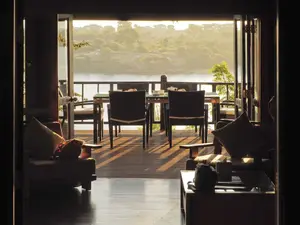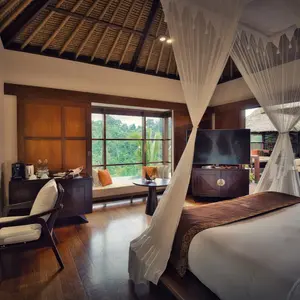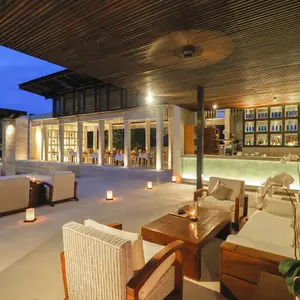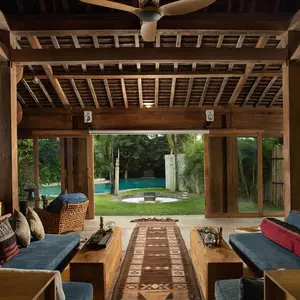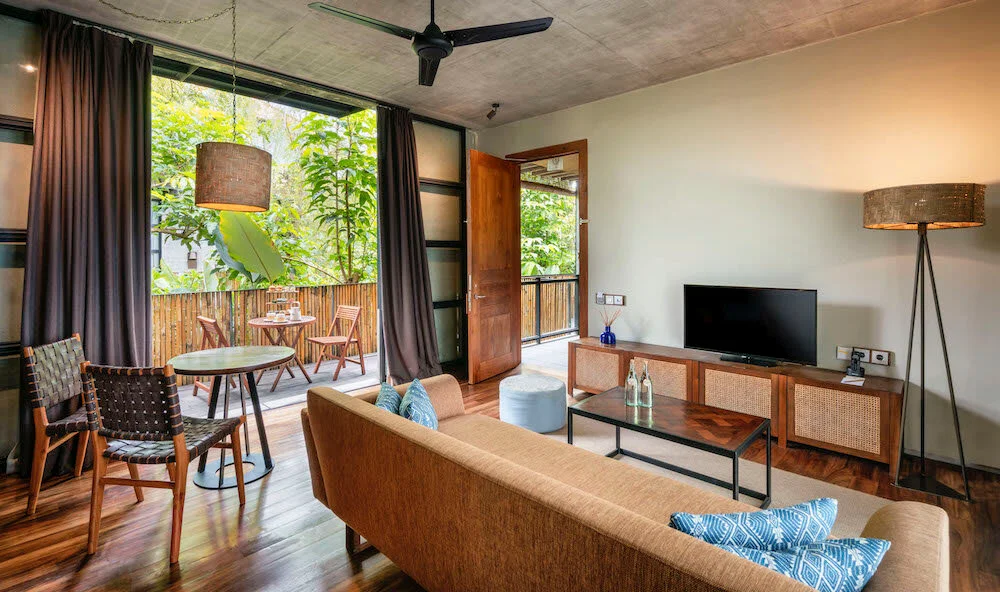
Bisma Eight Ubud
When you book Bisma Eight Ubud in Bali, Indonesia, through our Tablet Plus partnership, your stay includes a one-category room upgrade when available. No premium credit card or membership needed: request a quote and our advisor books it at the same rate as booking direct.
Exclusive Booking Perks
These perks are included with your stay at the same rate as booking direct with the hotel.
- Upgrade to next room category, based upon availability at check-in
- Complimentary bike rental per guest, per stay (max 2 guests)
- Complimentary welcome drink per guest, per stay
- 75 USD hotel credit (2 night minimum, valid towards incidentals)
- Complimentary 30 minute massage per guest, per stay (max 2 guests)
Guest feedback
9.6/10 from 121 guest reviews
Read what guests commentedBy category
Guests liked
- Beautiful room
- Great breakfast
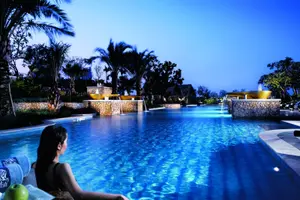
- Lovely pool
Points to consider
- Expensive
Location
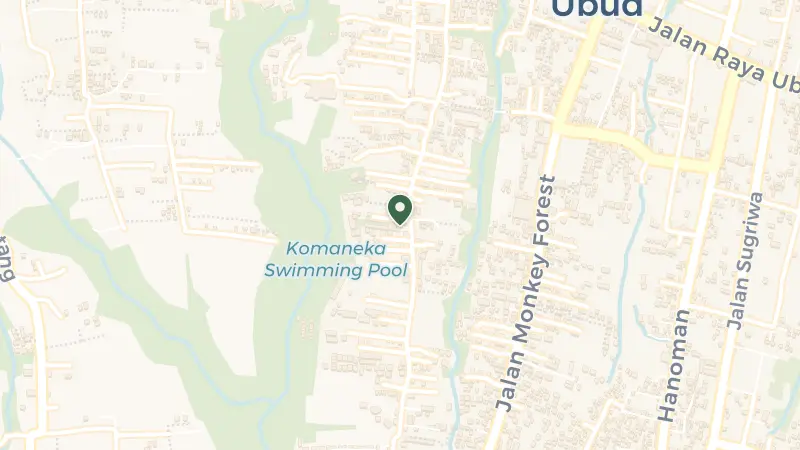
Ubud announces itself in layers: the scent of frangipani and incense drifting from household shrines, the rhythmic clack of gamelan rehearsals echoing through open pavilions, the emerald glow of rice terraces stepping down hillsides in precise, ancient geometry. This is Bali's cultural heart, a town that grew from royal patronage and sacred monkey forests into the island's artistic centre, where painters, dancers, and woodcarvers still work in family compounds along stone-paved lanes. The town proper sprawls across forested ridges and river valleys, dense with galleries, temples, and warung serving babi guling and lawar.
Ubud's central market and palace sit within a short walk, along with the Sacred Monkey Forest Sanctuary, a tenth-century temple complex shaded by banyan trees and inhabited by troops of long-tailed macaques. The surrounding district holds working rice paddies tended under the subak system, a UNESCO-recognized water management tradition rooted in Balinese Hindu philosophy, and hillside villages where offerings appear on every doorstep at dawn.
Ngurah Rai International Airport lies twenty-eight kilometres south, connected by car or private transfer through terraced farmland and roadside stone carvers' workshops.
Ubud's dining scene ranges from market stalls selling nasi campur to refined Indonesian kitchens, though no Michelin stars have yet reached this island. Walk ten minutes to Ubud Market for early-morning produce hauls: mangosteen, salak snake fruit, and bundles of ceremonial flowers. The Peliatan Night Market, less than two kilometres southeast, draws locals for sate lilit and babi guling served on banana leaves under strung bulbs. Book a cooking class to learn the spice pastes that underpin Balinese cuisine, or trace the subak canals threading through paddies where farmers still plant by lunar calendar.
Cultural landmarks cluster within walking distance: the eleventh-century Goa Gajah cave temple with its demon-mouthed entrance, Pura Taman Saraswati's lotus pond and nightly dance performances, the Neka Art Museum's collection of Balinese modernist paintings. Venture north to Tegallalang's tiered rice terraces for sunrise, or hike down to Beji Giriya waterfall, five kilometres through jungle. Start with a river walk at dawn before the heat settles.
The wet season stretches from November through March, when afternoon downpours drench the rice paddies and the air thickens with humidity. Mornings often stay clear, but by midday clouds build over the ridges and rain arrives in sudden, soaking sheets. Temples glisten, rivers run high, and the terraces turn impossibly green.
April through October brings the dry season, with cooler nights and sharp morning light ideal for trekking. July and August see the least rain and the most visitors.
June offers the best balance: warm days, manageable crowds, and paddies still lush from receding rains.
Frequently Asked Questions

Quotes are personally reviewed by Natasha Hardy, founder of The Uncommon Traveller
5.0 rating · 8 Google reviewsThere is no fee or markup. The hotel pays our commission.
Request a Quote