Hanging Gardens of Bali
When you book Hanging Gardens of Bali in Indonesia through our Tablet Plus partnership, your stay includes daily breakfast for up to two guests. You also receive a one-category room upgrade and late check-out when available. No premium credit card or membership needed: request a quote and our advisor books it at the same rate as booking direct.
Exclusive Booking Perks
These perks are included with your stay at the same rate as booking direct with the hotel.
- Upgrade to next room category, based upon availability at check-in
- Guaranteed 4pm late check-out
- Complimentary daily breakfast (max 2 guests)
- 100 USD hotel credit per room, per stay (2 night minimum)
Guest feedback
9.4/10 from 453 guest reviews
By category
Guests liked
- Stunning location
- Exceptional service
Points to consider
- Insect presence
- Insecticide smell
Location
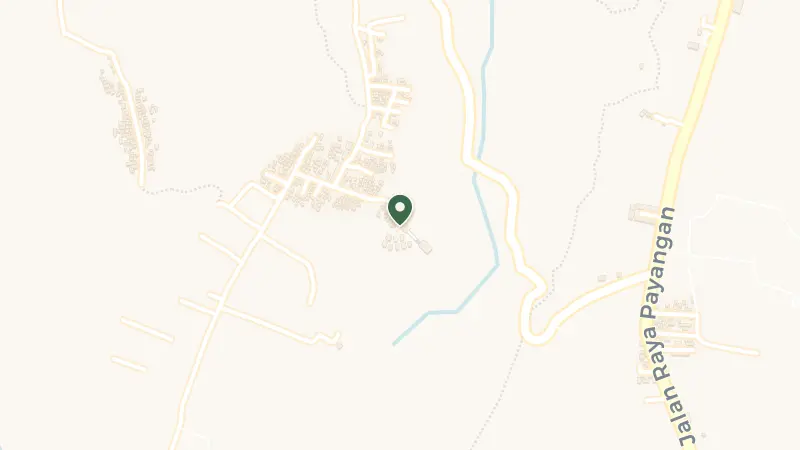
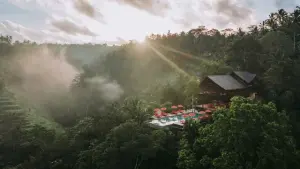
The Hanging Gardens of Bali occupies forested hillside in Payangan, north of Ubud, where the jungle canopy thickens and the air cools with elevation. This is upland Bali: terraced rice paddies cascade down steep valley walls, the Ayung River carves deep gorges through volcanic rock, and Hindu temples appear suddenly along narrow roads lined with frangipanis. The property sits within the UNESCO-protected Cultural Landscape of Bali Province, the subak irrigation system that has governed rice cultivation here for a thousand years. Water temples and cooperative weirs still manage the flow between paddies, a living example of Tri Hita Karana philosophy, the balance between humans, nature, and the divine.
Ubud, eleven kilometres south, anchors Bali's cultural highland. The town is dense with galleries, dance pavilions, and craft workshops where batik and woodcarving traditions continue unbroken. Tirta Empul, an active water temple complex dating to 962 AD, lies eight kilometres southeast; pilgrims still bathe in its spring-fed pools. The jungle here is not metaphor: macaques move through the canopy, hornbills call at dawn, and waterfalls drop into hidden pools within walking distance of the hotel.
Ngurah Rai International Airport sits thirty-eight kilometres south in Denpasar, a ninety-minute drive through sprawling southern Bali before the road climbs into the central highlands. The contrast is immediate: the coast's commercial density gives way to steep river valleys and the scent of wet earth.
The landscape invites immersion. Leke Leke Waterfall, seven kilometres north, requires a short jungle walk before the cascade appears, sixty metres of white water against black rock. Ulu Petanu and Pengempu Waterfall, both within eight kilometres, offer similar escapes into the forest. The Ubud Street Market and Ubud Market, eleven kilometres south, sprawl across the town centre: woven baskets, batik sarongs, temple offerings assembled from palm leaves and marigolds. Arrive early, before the tour buses. Tirta Empul Market, closer at eight kilometres, serves the temple pilgrims with incense, carved stone Garudas, and offerings for purification rites.
The subak terraces themselves are the main event. Walk the paths between paddies at dawn when farmers wade through standing water, planting seedlings in rows that follow the hill's contour. Book a rice-field cycling tour through the valleys; the routes pass stone shrines where farmers leave offerings before harvest. The Bali Botanic Garden, eighteen kilometres north in the cooler highlands near Bedugul, holds two thousand orchid species and collections of ferns and palms from across the archipelago. For those willing to drive twenty-five kilometres north to Batur, natural hot springs overlook the lake and its active volcanic cone.
The dry season runs May through September, when skies clear and temperatures settle in the high twenties. Mornings are bright and cool; by midday the sun is strong but the jungle shade remains comfortable. This is the season when rice terraces turn gold before harvest, and outdoor temple ceremonies proceed without interruption.
October marks the transition: afternoon storms build quickly, heavy and brief. November through March brings monsoon rains, often at night, leaving mornings humid and green. The paddies flood and farmers begin replanting; waterfalls swell to full volume. Roads can turn muddy, but the landscape is at its most lush.
April bridges the seasons. Rain tapers, humidity lingers, and the island feels quieter before the dry months draw the crowds. The jungle is still dense and fragrant, the rivers running fast from the wet season's runoff.
Frequently Asked Questions

Quotes are personally reviewed by Natasha Hardy, founder of The Uncommon Traveller
5.0 rating · 8 Google reviewsThere is no fee or markup. The hotel pays our commission.
Request a Quote