MAMAKA by Ovolo
When you book MAMAKA by Ovolo in Bali, Indonesia, through our Tablet Plus partnership, your stay includes a 300,000 IDR food and beverage credit per stay and a welcome treat. You also receive a one-category room upgrade when available. No premium credit card or membership needed: request a quote and our advisor books it at the same rate as booking direct.
Exclusive Booking Perks
These perks are included with your stay at the same rate as booking direct with the hotel.
- Upgrade to next room category, based upon availability at check-in
- Welcome treat in room on arrival
- Complimentary signature cocktail per guest, per stay at Kuta Social Club (max 2 guests)
- 300,000 IDR food & beverage credit per room, per stay
Location
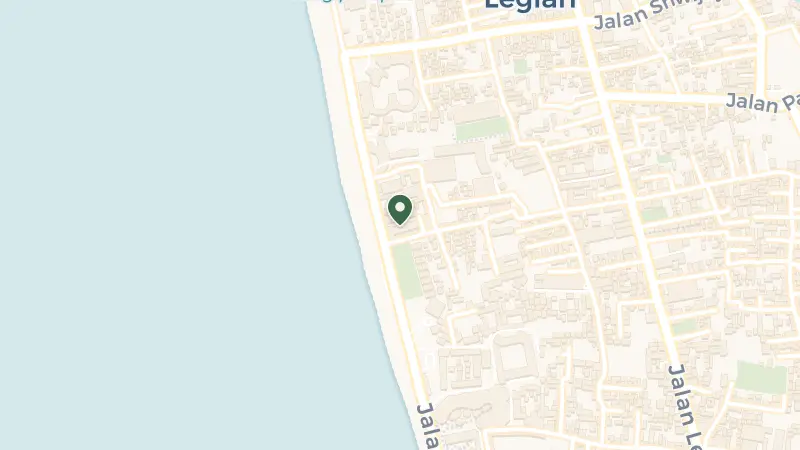
Kuta occupies a curious position in Bali's geography of desire: perpetually dismissed by those chasing the island's quieter corners, yet undeniably alive with the energy that first put Bali on the global map. The beach sweeps south in a wide arc of black volcanic sand, the same waves that drew Australian surfers in the 1970s still breaking with clockwork consistency. Streets hum with the particular chaos of a place that grew too fast, motorbike engines and hawker calls mixing with temple bells from shrines tucked between surf shops and warungs. This is Bali unfiltered, where the island's Hindu soul persists alongside tourism's more garish manifestations.
MAMAKA by Ovolo plants itself in this contradictory landscape with deliberate intent. The Ovolo brand leans into irreverence and social energy, properties that feel more like curated parties than hushed retreats. Expect bold design choices, a soundtrack worth paying attention to, and the sense that someone thought hard about what happens when guests aren't sleeping.
Ngurah Rai International Airport sits four kilometres north, close enough that transfers barely register. Denpasar's sprawl begins twelve kilometres away, though Kuta's density means the island's capital feels more conceptual than geographic, a point on the map rather than a place you'd seek out.
The property anchors itself around Kuta Social Club, the kind of venue that blurs the line between hotel restaurant and neighbourhood destination. Beyond the gates, Kuta Beach stretches six hundred metres west, its beginner-friendly surf drawing board-renters at dawn and sunset watchers come evening. The sand darkens as the day wears on, wet volcanic minerals catching the light. Legian Beach continues the coastline north, marginally quieter, the beachfront warungs serving grilled fish and cold Bintang with zero ceremony. Don't miss the early morning fish market behind Jalan Pantai Kuta, where the day's catch arrives before most hotels serve breakfast.
Inland, the Kuta Art Market unfolds 1.4 kilometres northeast, a labyrinth of sarongs, wood carvings, and aggressive bargaining that feels increasingly anachronistic as Bali gentrifies around it. Farther north along Petitenget, roughly four kilometres out, the island's surf culture reveals its more polished face: Rip Curl and Drifter storefronts alongside beach clubs where the cocktails cost what a local family spends on groceries. The five rice terraces of the Subak system, a UNESCO recognition of Bali's water temple network and cooperative irrigation philosophy, lie 57 kilometres north near Ubud, worth the drive for travellers interested in the structures underlying Balinese Hinduism.
Bali's tropical pattern divides cleanly: the dry season from May through October, the wet from November through April. June to August brings the driest months, skies reliably clear, ocean winds tempering the heat to the high twenties. Surfers favour this window, swells consistent, crowds thick but manageable.
The wet season earns its name. January through March can deliver torrential afternoon downpours, streets flooding within minutes, humidity clinging to skin like a second layer. Yet mornings often break bright, and the island greens up dramatically, rice terraces luminous.
April and October serve as shoulder months, rainfall easing or building depending which direction the calendar moves. Temperatures hold steady year-round, the low twenties at night, high twenties to low thirties during the day, the real variable always moisture in the air.
Frequently Asked Questions

Quotes are personally reviewed by Natasha Hardy, founder of The Uncommon Traveller
5.0 rating · 8 Google reviewsThere is no fee or markup. The hotel pays our commission.
Request a Quote