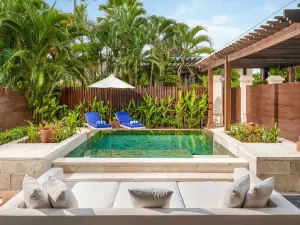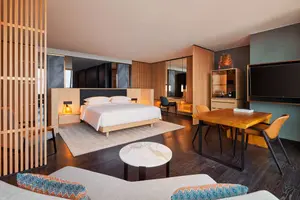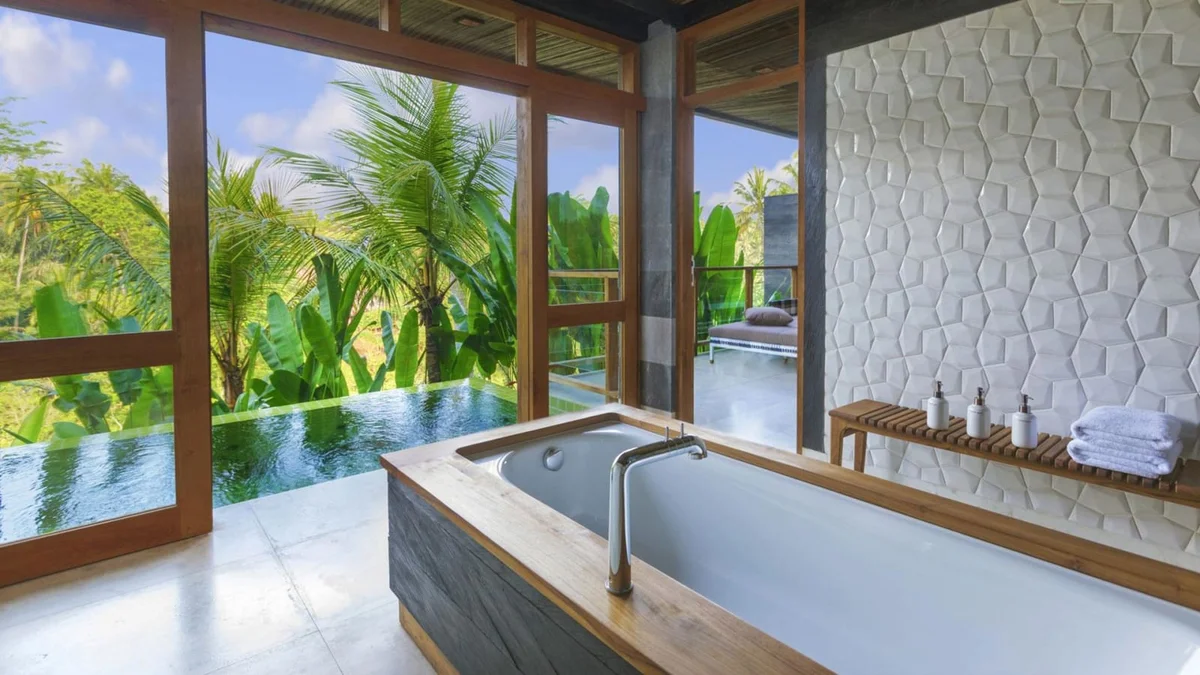
Chapung Sebali
When you book Chapung Sebali in Bali, Indonesia, through our Tablet Plus partnership, your stay includes a 400,000 IDR spa credit per stay. You also receive a one-category room upgrade when available. No premium credit card or membership needed: request a quote and our advisor books it at the same rate as booking direct.
Exclusive Booking Perks
These perks are included with your stay at the same rate as booking direct with the hotel.
- Upgrade to next room category, based upon availability at check-in
- 400,000 IDR spa credit per room, per stay
- One complimentary three-course gourmet set lunch paired with non-alcoholic beverages per guest, per stay (minimum 2 nights stay)
- Complimentary one signature cocktail and tapas per guest, per stay
Guest feedback
9.6/10 from 84 guest reviews
By category
Guests liked
- Excellent service
- Beautiful location
Points to consider
- Some room issues
Location
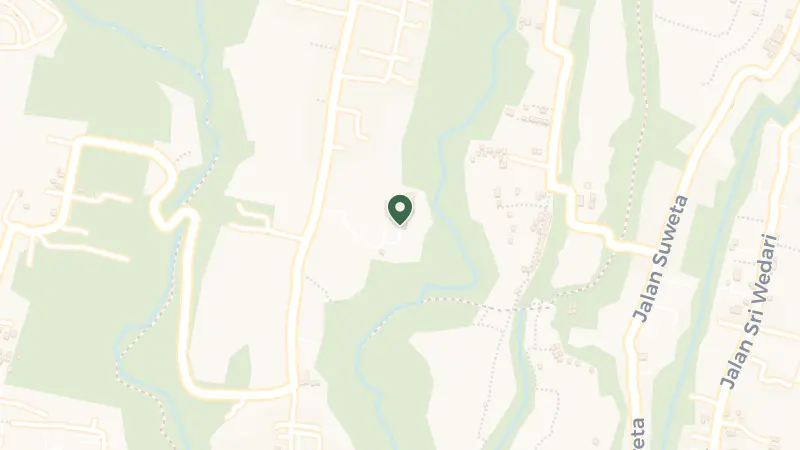
Chapung Sebali sits in the uplands between Pacung and Keliki, where the air cools and the jungle thickens into a tangle of palms and ferns. This is Bali's interior: terraced rice paddies step down volcanic slopes, offerings of frangipani and incense appear on roadside shrines, and the soundscape shifts from crashing surf to rustling leaves and distant gamelan. Ubud, the island's cultural heart three kilometres south, anchors this region with its dance performances, painter ateliers, and morning markets piled with mangosteens and snake fruit.
The property overlooks the Ayung River valley, where white water cuts through ravines and herons pick along the banks. Hindu temples punctuate the landscape, their split gates and moss-darkened stone a constant reminder that this is the only Hindu-majority province in Indonesia. Traditional dance, metalwork, and painting flourish here with an intensity unmatched elsewhere in the archipelago.
Ngurah Rai International Airport lies thirty-two kilometres south. The drive north climbs through Denpasar's sprawl before the road narrows, rice terraces appear, and the air turns green.
The Ayung River valley unfolds below the property, carved deep enough that the jungle hum rises like static. Walk downstream to Sayan waterfall, less than two kilometres through trails shaded by banana palms, or push farther to the terraced rice fields that form part of the Cultural Landscape of Bali Province, a UNESCO site honouring the subak irrigation system. These cooperative water temples, twenty-nine kilometres north, distribute river flow through stone channels and ritual calendars, a philosophy called Tri Hita Karana. Ubud Market, three kilometres south, opens early with stalls of woven baskets, batik sarongs, and jackfruit piled in pyramids. Book a morning slot to avoid the midday crowds.
Sayan and Keliki villages shelter family-run warungs serving lawar (minced meat with coconut and spices) and babi guling (spit-roast suckling pig). The Peliatan Night Market, four and a half kilometres southeast, sets up after dusk with satay skewers and steamed jaja (rice cakes). Ubud's gallery quarter, a short drive south, houses studios where you can watch woodcarvers shape Garuda figures and painters work in the Batuan style, dense with mythological detail.
July and August bring the driest months, when humidity drops and the midday sun casts sharp shadows across the rice terraces. Mornings dawn crisp, the valley mist burning off by nine. This is peak season for trekking and outdoor ceremonies.
The wet season, December through March, arrives in afternoon downpours that drum on palm fronds and turn dirt paths to red mud. The rice paddies glow emerald, waterfalls swell, and the air smells of wet earth and frangipani. Temperatures hold steady near thirty degrees year-round.
April through June and September through November offer a middle ground: occasional rain, fewer visitors, and verdant landscapes still lush from the monsoon. The light softens, ideal for photography and temple visits without the crowds.
Frequently Asked Questions

Quotes are personally reviewed by Natasha Hardy, founder of The Uncommon Traveller
5.0 rating · 8 Google reviewsThere is no fee or markup. The hotel pays our commission.
Request a Quote