One Eleven
When you book One Eleven in Bali, Indonesia, through our Tablet Plus partnership, your stay includes a welcome treat. You also receive a one-category room upgrade when available. No premium credit card or membership needed: request a quote and our advisor books it at the same rate as booking direct.
Exclusive Booking Perks
These perks are included with your stay at the same rate as booking direct with the hotel.
- Upgrade to next room category, based upon availability at check-in
- 100 USD hotel credit per room, per stay (2 night minimum, valid towards incidentals)
- Complimentary welcome drink per guest, per stay (max 2 guests)
- Welcome treat in room on arrival
- Please note: Complimentary upgrades are not provided to 3 Bedroom Villas
Guest feedback
9.5/10 from 134 guest reviews
By category
Guests liked
- Cleanliness
- Great staff
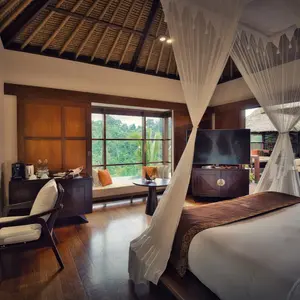
- Stunning villa
Points to consider
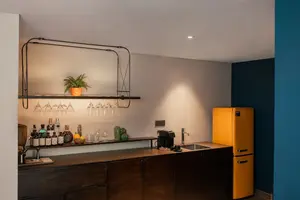
- Overpriced wine
Location
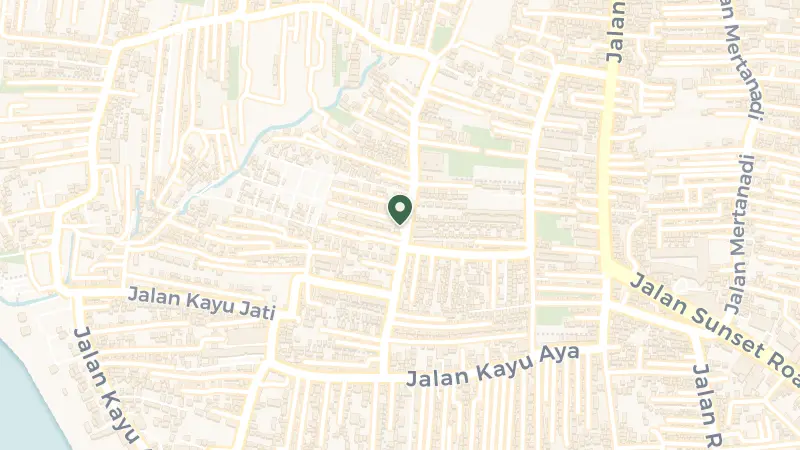
One Eleven sits in Kerobokan Kelod, a district that has transformed from open fields into one of North Kuta's quieter enclaves, removed from the surf-and-nightlife intensity of neighbouring Seminyak yet close enough to walk to its beaches and restaurants. This is Bali's Hindu heartland, the only Hindu-majority province in Indonesia, where temple ceremonies punctuate daily life and offerings appear on doorsteps each dawn. The air smells of frangipani and incense, the soundscape layered with gamelan music drifting from household shrines and the low hum of motorbikes navigating narrow lanes.
The neighbourhood edges towards Petitenget Beach, a kilometre west, where the Indian Ocean breaks along black volcanic sand. Surf shops cluster along nearby roads, boards propped against shopfronts painted in sun-faded pastels. Kenny Furniture and other artisan workshops occupy the streets around the property, evidence of Bali's reputation for sculpture, metalworking, and woodcraft traditions that stretch back centuries.
Denpasar I Gusti Ngurah Rai International Airport lies eight kilometres southeast. Taxis navigate the journey in twenty to forty minutes depending on traffic, which thickens considerably during Bali's tourism-driven peak seasons. The island drives on the left, a legacy of Dutch colonial administration that ended in 1949.
Petitenget Beach stretches a kilometre west, its dark sand bordered by warungs selling grilled seafood and es kelapa muda (young coconut water). The surf breaks work for beginners and intermediates; Drifter Kayu Aya and Rip Curl Kayu Aya, both four hundred metres from the property, rent boards and offer lessons. Further north, Batu Bolong Beach at four kilometres draws a more skilled crowd when swells arrive between May and September.
Cultural depth concentrates inland. The UNESCO-listed rice terraces of the Subak System lie fifty-four kilometres northeast, near Ubud, where the Tri Hita Karana philosophy governs water temple rituals and cooperative irrigation networks that have shaped Balinese agriculture for over a millennium. Closer at hand, Taman Bali Market (1.1 kilometres) trades produce, textiles, and carved offering vessels used in daily Hindu rites. Book a guide to visit an active water temple during a ceremony; the interplay of music, prayer, and landscape offers more resonance than any static monument.
Bali's dry season, May through September, brings the clearest skies and steadiest surf. Mornings are luminous, the sun sharp against green rice paddies, and humidity drops just enough to make midday exploration bearable. Evenings cool to the low twenties, ideal for open-air dining.
October through April marks the wet season, though rain typically arrives in short afternoon downpours rather than day-long greyness. The landscape greens intensely, temple ceremonies continue unabated, and beach crowds thin. January and February see the heaviest precipitation, with occasional multi-hour storms.
November and early December occupy a sweet spot: occasional showers, fewer visitors, and temple festivals celebrating harvest cycles. The light during this shoulder period is softer, filtered through high cloud, lending photographs a dreamlike quality that harsh dry-season sun cannot match.
Frequently Asked Questions

Quotes are personally reviewed by Natasha Hardy, founder of The Uncommon Traveller
5.0 rating · 8 Google reviewsThere is no fee or markup. The hotel pays our commission.
Request a Quote