The BK Village
When you book The BK Village in Bali, Indonesia, through our Tablet Plus partnership, your stay includes a 25 USD hotel credit per day. You also receive a one-category room upgrade when available. No premium credit card or membership needed: request a quote and our advisor books it at the same rate as booking direct.
Exclusive Booking Perks
These perks are included with your stay at the same rate as booking direct with the hotel.
- Upgrade to next room category, based upon availability at check-in
- Welcome fruit plate in room on arrival
- 25 USD hotel credit per room, per day (valid towards incidentals)
- Complimentary tea experience once per stay (max 2 guests)
Location
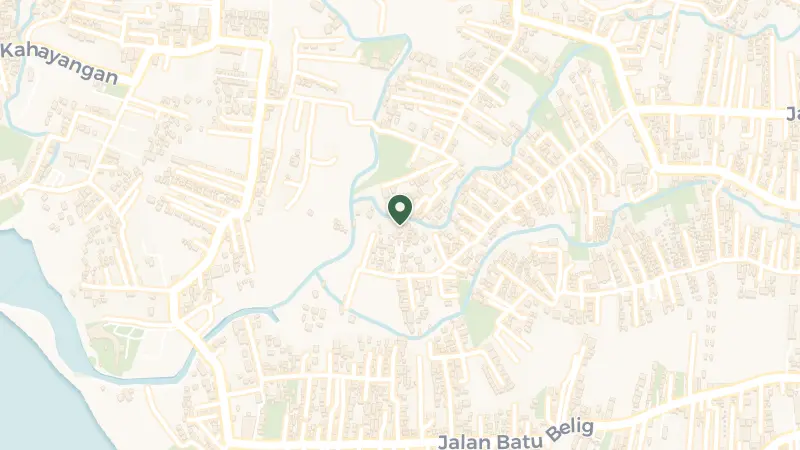
Kerobokan Kelod sits between the rice paddies and the sea, where Bali's creative energy gathers in a loose confederation of villas, galleries, and artisan workshops. This is the island's Hindu heartland, where temple ceremonies punctuate daily life and gamelan music drifts over compound walls. Pantai Petitenget stretches along the coast just over a kilometre west, its black sand beaches giving way to the surf breaks that draw boarders year-round. The neighbourhood occupies the northern reaches of Badung Regency, where suburban sprawl has begun to soften the edges of what were once coconut groves and empty fields, yet the rhythm of Balinese life, its cycles of offerings and festivals rooted in the Tri Hita Karana philosophy, remains the organizing principle.
Denpasar, the provincial capital, lies to the east; I Gusti Ngurah Rai International Airport sits nine kilometres south. The cultural centre of Ubud, with its terraced rice fields and centuries-old dance traditions, rises into the uplands to the north. Bali is Indonesia's only Hindu-majority province, and that spiritual thread runs through every aspect of daily life, from the intricate stone carvings adorning family shrines to the elaborate processions that wind through village streets.
Pantai Petitenget and Pantai Batu Bolong anchor the coastal routine here. Surfers paddle out to Batu Balong's consistent break, while beach clubs along the sand serve grilled seafood and cold Bintang through the afternoon. Taman Bali Market, less than two kilometres northeast, offers a quieter counterpoint to the tourist crush elsewhere on the island: vendors sell produce, spices, and woven baskets in unhurried transactions. The UNESCO-inscribed subak rice terraces, governed by their ancient water temple system, lie 53 kilometres north, a full-day excursion into the agricultural heart that has sustained Balinese culture for a millennium.
Start with the surf schools clustered along the coast, where instructors guide beginners through waist-high rollers at dawn before the wind picks up. Pererenan Beach, less than four kilometres north, draws a mellower crowd, its grey sand backed by warungs serving nasi campur and es kelapa muda. Diving outfits operate from the southern beaches, arranging trips to offshore reefs where visibility peaks between April and November.
The dry season stretches from May through October, when the humidity drops and skies clear to a hard blue. Mornings break cool, temperatures climbing to the high twenties by midday, and the island's terraced hillsides turn gold as rice reaches harvest.
November through April brings the wet season, though rain typically arrives in short, violent downpours that clear by evening. The landscape greens, rivers swell, and temple ceremonies continue beneath plastic tarps and temple eaves. Temperatures hold steady in the upper twenties, the air thick with moisture.
July and August see the heaviest tourist traffic, when Australian winter sends families north and surf competitions draw international competitors. May, June, and September offer the best balance: dry weather, manageable crowds, and sea conditions that favour both diving and surfing.
Frequently Asked Questions

Quotes are personally reviewed by Natasha Hardy, founder of The Uncommon Traveller
5.0 rating · 8 Google reviewsThere is no fee or markup. The hotel pays our commission.
Request a Quote