Upper House Chengdu
When you book Upper House Chengdu in China through our The Set by Invitation partnership, your stay includes daily breakfast and a welcome amenity. You also receive a priority room upgrade, early check-in and late check-out when available. No premium credit card or membership needed: request a quote and our advisor books it at the same rate as booking direct.
Exclusive Booking Perks
These perks are included with your stay at the same rate as booking direct with the hotel.
- Top-priority early check-in and late check-out (subject to availability)
- Value-added amenity: 100USD per stay, enhanced to 200USD for stays of four nights or more
- Priority room upgrade to the next room category upon check-in (subject to availability)
- Daily breakfast included
- Automatic VIP status
- VIP welcome amenity
Location
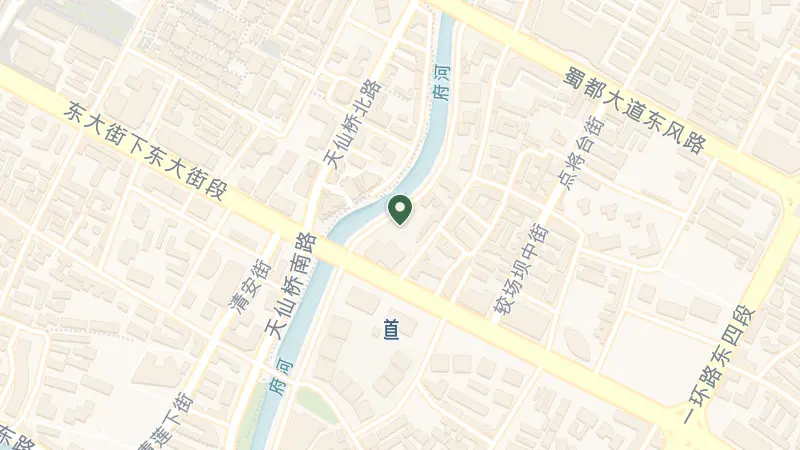
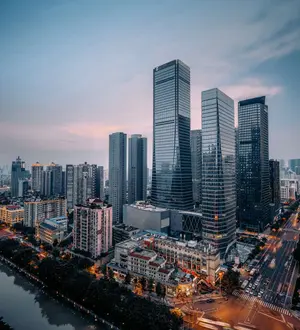
Chengdu's reputation as a city of leisure runs deep, a place where teahouse culture and hotpot feasts have shaped the daily rhythm for centuries. The capital of Sichuan province moves at its own unhurried pace, where tree-lined boulevards open onto squares filled with locals practicing tai chi at dawn, and the scent of numbing málà spices drifts from open kitchen windows. Jinguanyi, where the property sits, puts you within walking distance of the Jinjiang River's willow-shaded banks and the glossy storefronts of Taikoo Li, a retail complex that somehow manages to feel both contemporary and rooted in Chengdu's penchant for outdoor living.
The city's cultural identity balances panda conservation with opera tradition, Buddhist temples with avant-garde galleries. Ancient irrigation works an hour north at Dujiangyan, a UNESCO site constructed in the third century BC, still channel mountain water across the Chengdu plain, a testament to engineering that predates the Roman aqueducts. This is a city that honors its past while embracing a certain cosmopolitan ease, where Sichuanese opera masks share wall space with conceptual art installations.
Chengdu Shuangliu International Airport lies seventeen kilometres away, connected by metro and taxi; Chengdu Tianfu International Airport, the newer hub, sits fifty-one kilometres distant. Both serve as gateways to a city that has mastered the art of living well without hurry.
Sichuan cuisine reaches its apex here, and the city's Michelin-starred dining scene rewards exploration. Ma's Kitchen (Jinjiang), just steps from the property, channels the region's bold flavours in a vintage-hipster setting; the menu stays true to Sichuan classics while the location in Taikoo Li puts you in the thick of the city's most animated quarter. Book a table at Yu Zhi Lan, three-and-a-half kilometres north, where chef-owner Lan Guijun has spent decades elevating Sichuanese cooking to haute cuisine status; the room is intentionally low-key, filled with ceramic pieces he made himself, and the food is a masterclass in balance and technique. For an upmarket take with views of the Twin Towers, Xin Rong Ji, eight kilometres away, flies ingredients from Taizhou to ensure precision and quality in its Taizhou-style seafood preparations.
Beyond the table, Chengdu's cultural pull lies in its contrasts. The Dujiangyan Irrigation System, a UNESCO World Heritage site sixty kilometres northwest, has controlled the waters of the Minjiang River since the third century BC, a living monument to ancient engineering still irrigating the Chengdu plain. Closer in, markets like Dacheng, less than five kilometres away, offer a glimpse of daily life: bundles of Sichuan peppercorns, fresh noodles, vegetable vendors haggling in dialect. Start with a morning stroll through Kowloon Plaza to orient yourself before venturing farther.
Winter brings cool, overcast days with temperatures hovering near nine degrees in January, the city wrapped in a grey mist that softens temple rooftops and turns morning walks atmospheric rather than harsh. Spring arrives gently, magnolia trees blooming by March as the thermometer climbs into the high teens and the Sichuan basin shakes off its winter fog.
Summer means heat and humidity, with July and August seeing temperatures near thirty degrees and afternoon rains that arrive in sudden downpours, clearing just as quickly and leaving the streets steaming. The monsoon season from June through September accounts for most of the year's rainfall, but the showers rarely last long enough to disrupt plans.
Autumn is Chengdu's finest season. October and November offer mild temperatures in the low twenties, clearer skies than the rest of the year, and the kind of golden light that makes teahouse afternoons stretch into evening. Come between late September and early November when the air cools and the city regains its clarity.
Frequently Asked Questions

Quotes are personally reviewed by Natasha Hardy, founder of The Uncommon Traveller
5.0 rating · 8 Google reviewsThere is no fee or markup. The hotel pays our commission.
Request a Quote 32 Bib Gourmand